– As South Africa’s fuel price breaches the R30-per-litre mark, motorists and businesses are re-evaluating the long-term cost of vehicle ownership, placing electric vehicles (EVs) firmly in the spotlight.
The record fuel price comes amid rising consumer interest in new energy vehicles (NEVs), with industry data showing strong growth in sales of battery electric vehicles, plug-in hybrids and hybrid vehicles across the country. Sales of NEVs increased 53% year-on-year to 7,065 units between January and April 2026, while battery electric vehicle sales grew 135% over the same period.
According to Grant Locke, Managing Director of Volvo Car South Africa, rising fuel costs are influencing vehicle purchasing decisions. “The reality is that when fuel exceeds R30 per litre, running costs become a much bigger consideration for consumers. South Africans are looking beyond the purchase price of a vehicle and paying closer attention to the total cost of ownership, including fuel, maintenance and long-term operating expenses.”
Growing interest in electric mobility is also being reflected in online consumer behaviour. Industry reports indicate increases in searches for electric vehicles, suggesting that more South Africans are actively exploring alternatives to traditional petrol and diesel-powered vehicles. The shift comes as motorists face ongoing fuel price volatility, while EVs continue to offer more predictable running costs. Research shows that the cost of powering an electric vehicle can be substantially lower than refuelling a conventional internal combustion engine vehicle, making electric mobility an increasingly attractive option for cost-conscious consumers.
Recent industry figures further point to growing momentum within South Africa’s EV market. Data from naamsa, the Automotive Business Council, shows sustained growth in new energy vehicle adoption, reflecting both increased consumer awareness and broader market availability.
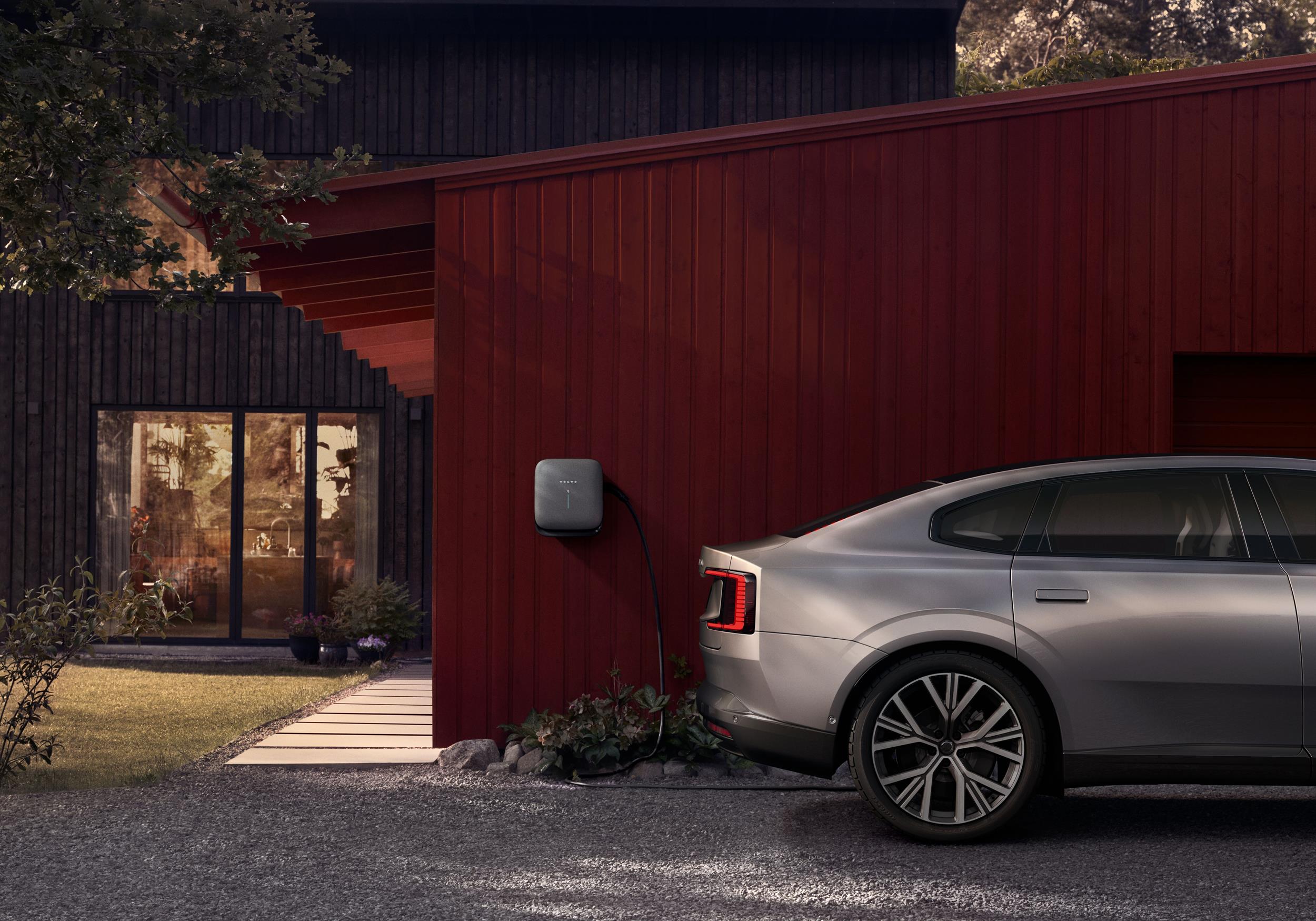
“What we’re seeing is a gradual but meaningful shift in consumer attitudes towards electric mobility,” adds Locke. “While environmental considerations remain important, affordability and operating costs are becoming equally powerful drivers of adoption. Rising fuel prices are prompting many motorists to look for alternatives, but we also recognise that not everyone is ready to make the full transition to a purely electric vehicle just yet. That’s why we at Volvo are offering a range of Plug-in Hybrid Electric Vehicles (PHEVs), which combine the benefits of electric driving with the reassurance and flexibility of a traditional petrol engine. It’s about giving consumers practical options that suit their lifestyle and where they are on their electrification journey.”
As South Africa navigates a changing mobility landscape, the combination of record fuel prices, expanding vehicle choice and increased awareness of EV ownership benefits is expected to keep lifting interest in electric vehicles.
“The conversation around EVs is no longer only about sustainability. It’s increasingly about economics. At R30 per litre, many motorists are asking whether there is a smarter and more cost-effective way to travel, and electric vehicles are becoming part of that answer,” concludes Locke